
Tree Pruning Services | Smart Tree Service
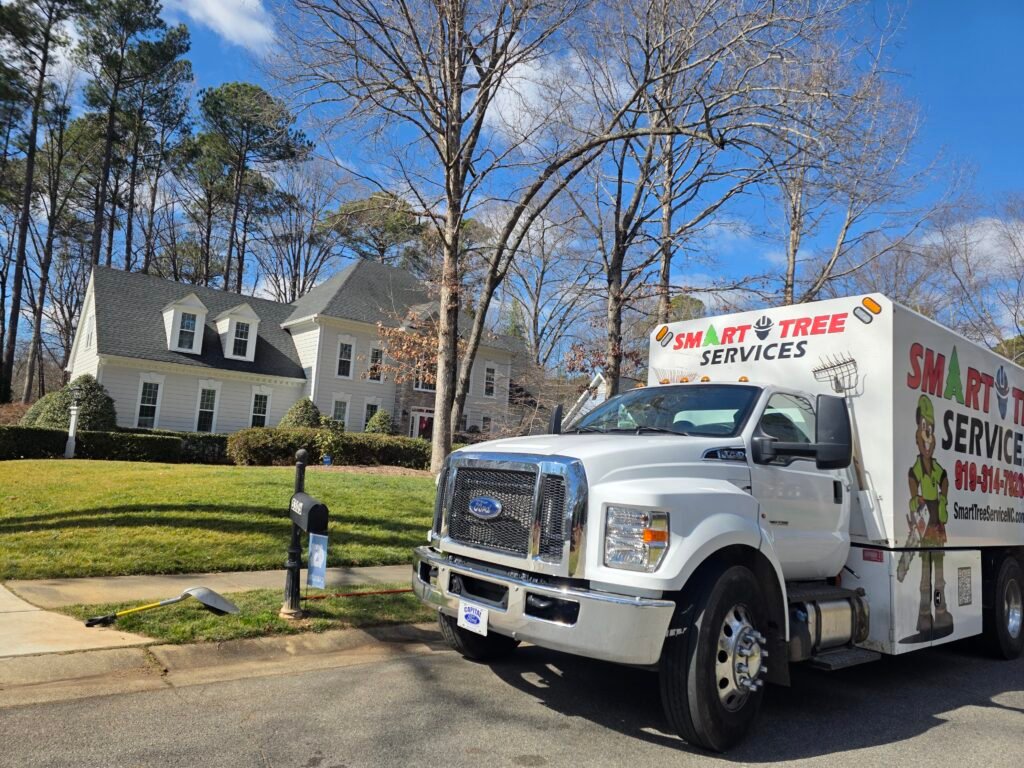
Professional Tree Pruning for Health, Safety & Long-Term Growth
Smart Tree Service offers professional tree pruning services designed to improve tree health, reduce safety risks, and keep your property looking its best. Proper pruning is more than cutting branches — it’s a skilled process that supports healthy growth, reduces the chance of storm damage, and helps prevent future problems.
Whether you need routine maintenance pruning or corrective pruning for safety, our experienced team uses professional techniques and equipment to deliver clean, reliable results and complete cleanup.
Tree Pruning by Location
🌳 What Is Tree Pruning?
Tree pruning is the selective removal of branches to improve a tree’s structure, safety, and overall health. Unlike basic trimming, pruning focuses on long-term results — removing deadwood, reducing weak growth, improving airflow, and encouraging proper development.
Our team helps homeowners and businesses protect their properties while maintaining healthy, well-shaped trees.
✅ Benefits of Professional Tree Pruning
Professional pruning provides real benefits for both trees and property owners:
-
Reduces falling-branch hazards
-
Helps prevent storm damage
-
Removes dead, diseased, or weakened branches
-
Improves tree structure and stability
-
Encourages healthy growth and better shape
-
Enhances curb appeal and property value
-
Helps reduce pest and disease problems
If your trees are overgrown, touching your roof, blocking walkways, or showing dead branches — pruning is often the safest and most cost-effective solution.
🏡 Residential & 🏢 Commercial Tree Pruning
Residential Tree Pruning
We help homeowners maintain safe, attractive, and healthy trees while protecting roofs, driveways, fences, and landscaping.
Common residential pruning needs include:
-
Branches hanging over the roof
-
Overgrowth near the home or yard
-
Deadwood removal
-
Canopy shaping and safety pruning
Commercial Tree Pruning
We also provide professional pruning for commercial properties that require safety and curb appeal with minimal disruption.
Ideal for:
-
HOAs and managed communities
-
Apartment complexes
-
Retail centers and office buildings
-
Schools and institutional properties
We can coordinate scheduling to reduce impact on your property operations.
🌿 Types of Tree Pruning We Provide
Depending on your trees and goals, pruning may include:
-
Deadwood removal (removing dead or damaged branches)
-
Structural pruning (supporting proper growth and stability)
-
Canopy thinning (improving airflow and light)
-
Canopy raising (clearance over driveways/walkways)
-
Risk reduction pruning (reducing failure risk during storms)
Every property is different — we recommend the approach that best supports tree health and safety.
⭐ Why Choose Smart Tree Service?
-
Experienced tree pruning specialists
-
Fully licensed and insured
-
Professional equipment & safety standards
-
Residential & commercial service
-
Reliable scheduling and clean work sites
-
Honest pricing & free estimates
We focus on doing the job right — not just “cutting branches,” but improving safety and long-term health.
EXCELLENT Based on 179 reviews
 Posted on Google
 Katie HaywoodI could not have been more pleased with the work that Gilmer and the rest of the Smart Tree Service crew did for me. I called on a Tuesday, and Gilmer came out that same day to take a look at what I needed done—not only on my property but also on the easement that I share with my neighbors. The quote he provided was reasonable, and after coordinating with my neighbors, I was able to arrange for the work to be done later that week. The crew did an outstanding job, both with the removal of dead and ailing trees and with cleanup afterward. Highly recommend.Posted on Google
 Alisa ArslanGilmer, Raul, and the team provided outstanding service from beginning to end. Gilmer met with us and provided a prompt estimate. His team of 5 arrived on time and worked for over 7 hours pruning a number of very tall and old trees around our house. They were attentive to details with my requests and cleaned up the entire area, front and back, before leaving. Very professional. Courteous and eager to please. Excellent work. Very reasonable pricing for a large amount of work. We will use them again and can highly recommend their work!Posted on Google
 Michele TwomeyVery quick response time. Helpful and knowledgeable. The crew tidied up and removed all debris. Will use again.Posted on Google
 Amy WittmayerGilmer and his team were fantastic. Very responsive. Professional. Safe. Reliable. Efficient. Reasonably priced. Could not have asked for better, more professional experience!Posted on Google
 Susan BellingerGilmer and Smart Tree Service did a wonderful job removing a huge limb and branches from our yard and roof after a storm. thank you!Posted on Google
 geoffrey HudsonThe. Team did an amazing job taking down two trees in tight spots. Clean up was perfectPosted on Google
 Raquel Maeso Díaz, Ph.D.Fantastic job! The company was efficient in providing a quote and completing the work. They did an excellent job removing three trees located between houses, leaving the area clean and tidy afterward. Their pricing was very fair, and the entire process was smooth and professional. I highly recommend them!Posted on Google
 ellen newmanI had the best possible experience with SMART Tree Service. They were professional and efficient removing and trimming many different trees on my property. I loved how they handled the project from start to finish and I am enjoying the clean, new look my yard has now. Thanks to the owners and crew for a job well done. Very appreciative.Posted on Google
 Ping WangLow price for high quality work. Very professional, would like to recommend to you! Good job 👍🏻Verified by TrustindexTrustindex verified badge is the Universal Symbol of Trust. Only the greatest companies can get the verified badge who has a review score above 4.5, based on customer reviews over the past 12 months. Read more
🧭 Our Tree Pruning Process
-
Request your free estimate
-
On-site tree evaluation
-
Clear plan and honest pricing
-
Professional pruning with proper techniques
-
Complete cleanup and final walkthrough
❓ Tree Pruning FAQs
How often should trees be pruned?
Many trees benefit from pruning every 1–3 years, depending on species, growth rate, and risk factors.
Is pruning the same as trimming?
Not exactly. Pruning focuses on tree health and structure, while trimming is often more about appearance and controlling overgrowth.
Do you clean up the debris?
Yes. We complete cleanup after every job and leave your property neat and safe.
📞 Request a Free Tree Pruning Estimate
If your trees need professional pruning for safety, health, or maintenance, contact Smart Tree Service today.